









How to sell a business
2 Feb 2026When a limited company is incorporated at Companies House, the business becomes a distinct legal entity, meaning it can be sold just like any other form of property. Unless the business is legally dissolved, it exists beyond the life or ownership of the original owners.
If you are the sole director and shareholder of a private limited company, you can sell your business and any of its assets if you don’t want to own or manage it any longer. If your business has other shareholders, you can’t sell the business without their approval. However, you can sell the shares you own in the business and resign as director.
There are a range of reasons why a small business owner would sell their company, but it’s important to not wait until you’re ready to sell the business to prepare an exit strategy. Exit planning ahead of time is vital to effectively sell your business. Here are our other tips on how to sell a business.
The importance of getting a business valuation
Putting a number to what your business is worth can be challenging. There’s more to factor in than just crunching numbers on your balance sheet, and there isn’t only one single formula accepted and used to value businesses. A business valuation takes into account many elements, including:
-
Value and current profitability of your business and its assets
-
Brand and reputation of your company
-
Client and employee relationships and retention rates
-
Sales history
-
Forecast of future earnings
-
Potential risks for the buyer
Business valuations from an expert can provide you with a reliable assessment of your company’s value, so you don’t let your business go for less than it’s worth. Shockingly, 58% of UK SMEs are not realising their true value and do not have any form of succession plans in place.
To find out how we can help you sell your small business for the maximum amount, get in touch with our experienced team on 0207 043 4000 or info@accountsandlegal.co.uk.
Tips to help you sell your small business
-
Timing is everything
There are many things to consider when selling a business, including if it’s the right time to sell. Deciding if it’s the right time depends on the current economic conditions and the market. Take into consideration the long-term investments you made through the business and if you will see any of the payout from them.
Additionally, think about your businesses’ natural cycle, such as quiet and busy times throughout the year, as this will impact the profits of the company and could put off potential buyers.
-
Be prepared
You also need to make sure your business is in shape before you start trying to sell your business. Make sure you have contracts with your employees and any other staff members and a basic employee handbook with key business procedures and policies. Having strong cash flow can be especially beneficial.
If a business valuation comes back lower than you’d like, you might want to spend time improving your businesses’ value. Think about what would attract potential buyers. Additionally, when selling your business, make sure all of your records are up-to-date, be as transparent as possible, and prepare yourself for the potential questions interested buyers will ask.
Read more: How your accountant can cure your cash flow problems
-
Get the professional help you need
An accountant can provide a business valuation, talk you through different business and industry valuation factors, and help you with your business exit strategy. For specific advice or services on valuing and negotiating the sale of your business in your industry, please get in touch.
Your responsibilities when selling your small business
Selling your business can be an emotional time, so it’s important you’re ready to deal with your legal requirements and tax obligations. There is also necessary paperwork that needs to be filled out, and these vary depending on what type of business you have.
When selling shares in a limited company, Companies House must be updated to reflect changes to directors, persons with significant control (PSC) and, where applicable, the company’s confirmation statement. Share transfers are recorded in the company’s statutory registers and reported in the next confirmation statement.
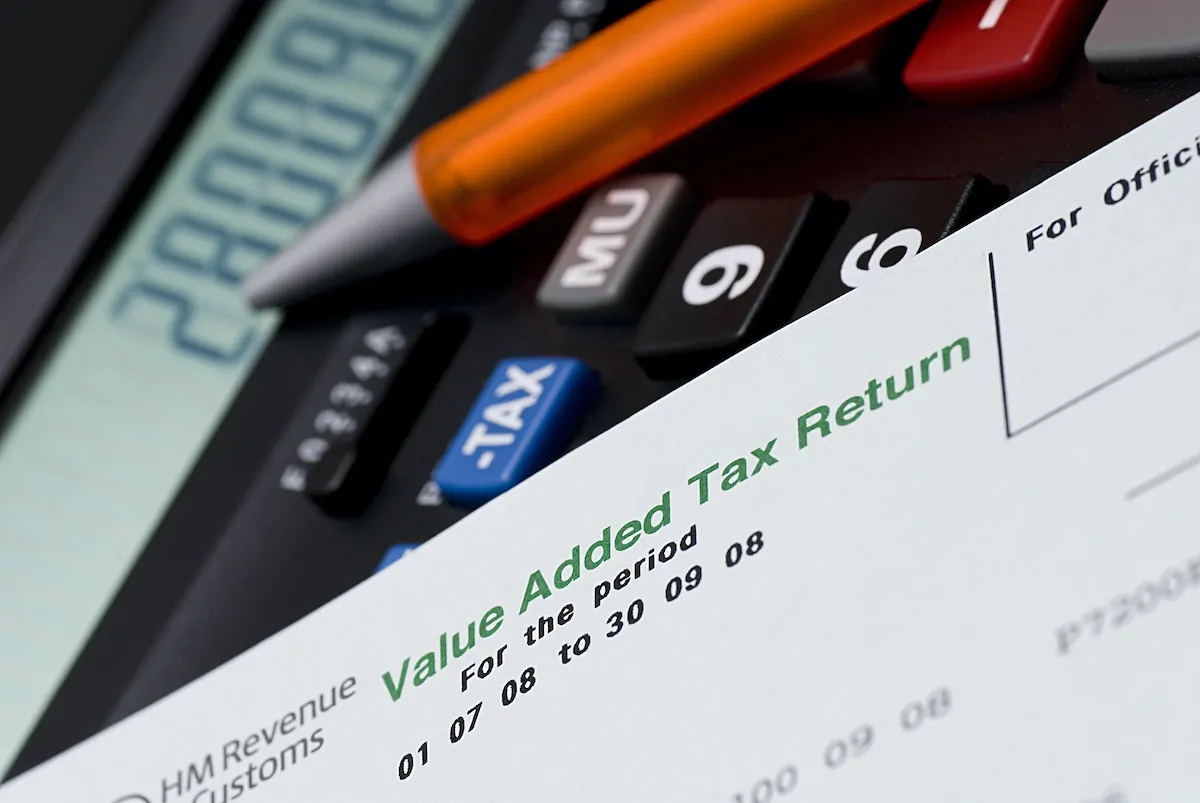
You must also notify HMRC for Capital Gains Tax purposes through your Self Assessment tax return. If the company is VAT registered, the new owner may either transfer the VAT registration number (as a transfer of a going concern) or register separately, depending on the structure of the sale.
There is much necessary paperwork you need to fill out when selling your business. Changes to shareholdings are reflected in the company’s next confirmation statement, which includes an updated statement of capital where relevant.
Tip: Check out the government’s website for a complete list of responsibilities when selling your business.
Asset sale vs share sale
When selling a limited company, there are generally two main structures:
-
Share sale – you sell your shares in the company to a buyer.
-
Asset sale – the company sells its business assets, and the proceeds remain in the company.
Each structure has different tax consequences for both buyer and seller. Share sales are often more tax-efficient for individuals, particularly where Business Asset Disposal Relief applies. Asset sales can trigger Corporation Tax within the company before funds are extracted.
Taking advice early can help structure the deal in the most tax-efficient way.
If the company sells its assets rather than shares, Corporation Tax may be payable on any gains realised within the company. Further tax may then arise when funds are extracted by the shareholders.
Find out more about the difference between an Asset and a Share sale here.
How to reduce capital gains tax on business sale
Wondering how to reduce capital gains tax on a business sale? You could get hit with a hefty tax bill when selling your business, and tax planning can help you find ways to offset Capital Gains Tax from the sale of a business.
Capital Gains Tax is chargeable when a gain has been made from selling or transferring assets in the form of the share capital of a business. Estimate the amount you will likely owe for Capital Gains Tax from the sale of your business, and see if you can offset or avoid Capital Gains Tax.
You may be able to reduce the amount of Capital Gains Tax you owe by claiming Business Asset Disposal Relief (BADR). If you’re selling all or part of your business, you may qualify if you have owned the shares (or business) for at least two years and meet the relevant conditions.
If BADR applies, qualifying gains are taxed at 10%, subject to a lifetime limit of £1 million of gains. To qualify, you must generally have held at least 5% of the company’s ordinary share capital and voting rights for at least two years prior to disposal.
Because this relief can significantly reduce your tax liability, structuring the sale correctly is essential.
You might also be eligible to claim other tax reliefs in order to offset or avoid Capital Gains Tax from the business sale. Business Asset Rollover Relief and Incorporation Relief delay when you pay Capital Gains Tax. Gift Hold-Over Relief allows you to avoid Capital Gains Tax if you give away a business asset. The person you give the asset to pays the tax when they sell it.
If BADR does not apply, gains from the sale of shares are generally taxed at the standard Capital Gains Tax rates (currently 20% for higher and additional rate taxpayers, subject to future changes).
Check out this page to see if you’re eligible for any of these reliefs. Capital Gains Tax rules and reliefs can change between tax years, and advance planning — ideally at least two years before a sale — can significantly increase eligibility for reliefs such as BADR.
Read more: Making the most of small business tax relief
Accounts & Legal provide business valuations and exit strategy when selling a small business
Our top London accountants at Accounts & Legal help small business owners put together exit strategies. We can also advise and assist in business valuations for the sale of small businesses. We provide strategic exit planning, tax structuring and negotiation support to maximise value on sale.
Give us a call on 0207 043 4000 for more information on our services involving valuing and selling small businesses, or try our instant accounting quote tool.